Grounded in listening, built on shared decisions
A communicator and facilitator who works on the ground — with communities, not for them.


Work shaped by real communities
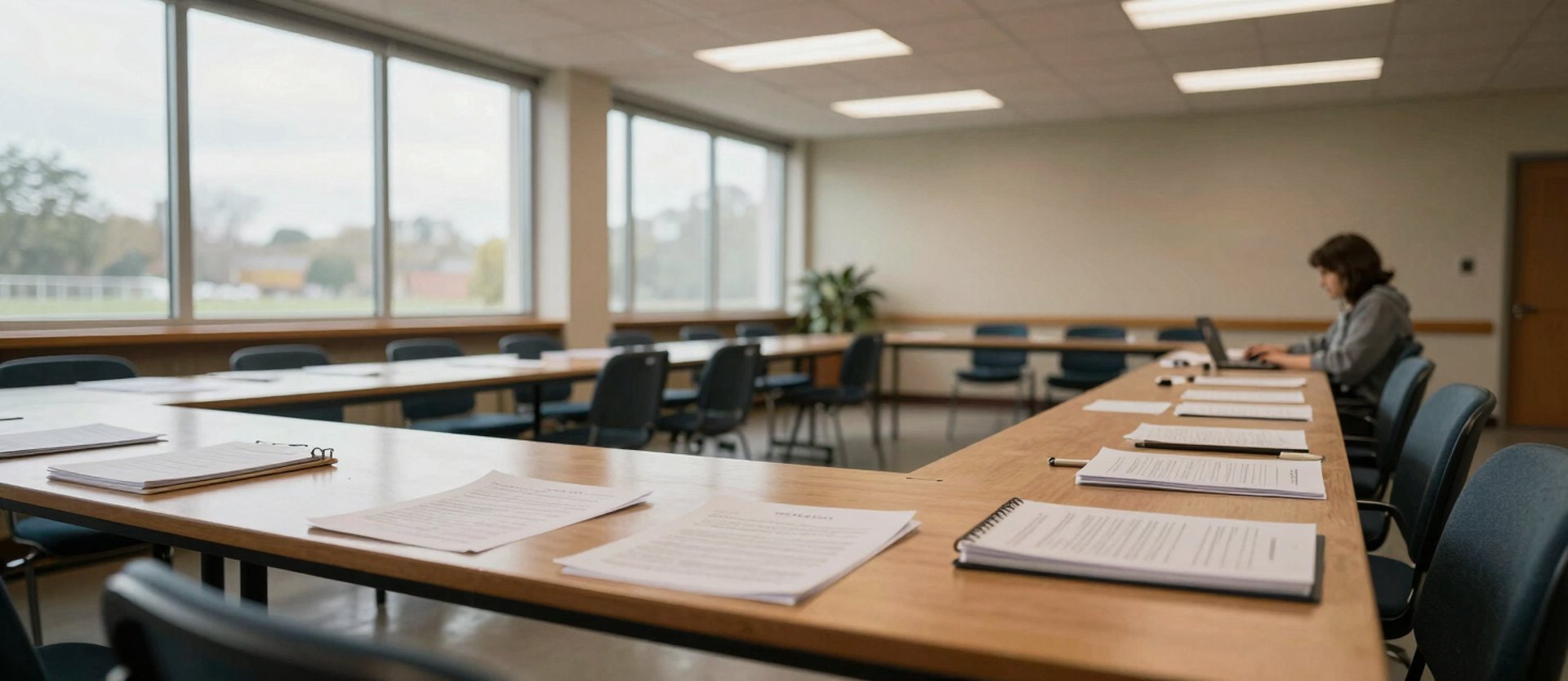
My practice grew out of years working directly with communities navigating real decisions — not advising from a distance, but sitting at the table, mapping the problem together, and staying accountable to what we found.
I work across communication strategy, community-led development, and facilitation — not as separate services, but as a single relational approach to how change actually happens.
The evidence is in the work: writing samples, documented processes, and project outcomes that show participatory practice in action, not in theory.

Shared decision-making is slower. It requires holding complexity without rushing to a tidy answer. That accountability to process is what makes outcomes durable.
Relational, not procedural
Every engagement begins with authentic listening — not a discovery call designed to close a sale, but a genuine effort to understand what the community or organization already knows about its own situation.
From there, the process is participatory and co-designed. The people most affected by a decision are invited into the shaping of it — not consulted after the fact.
Ready to work together?
Whether you're exploring a facilitation engagement, a communication project, or an ongoing partnership — reach out. The first conversation is just that: a conversation.